Vacation Getaway Cabin near Lake Arrowhead
Wild Olive Den, Running Springs, CA
Stay at one of the most popular vacation getaway cabins in Running Springs!
Two Bedroom Mountain Cabin Getaway
Rent entire cabin for $250/night* (starting price)
1 king-size bed | 1 bunk bed | 1 sofa bed
Comfortably sleeps 5 people
 2 bedrooms
  5 people
 Running Springs, CA
 * Start a reservation to check current nightly price.
Come Enjoy Our Relaxing Vacation Rental Cabin in the Mountains
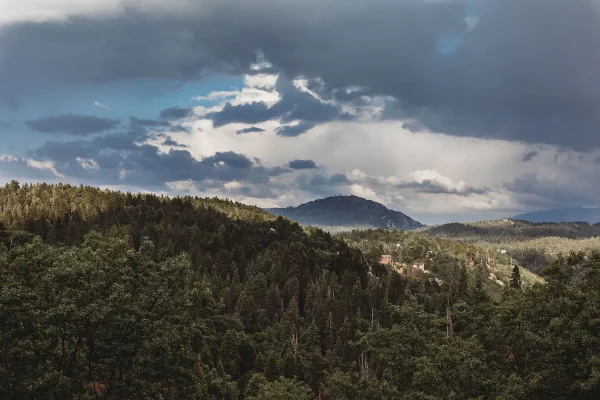
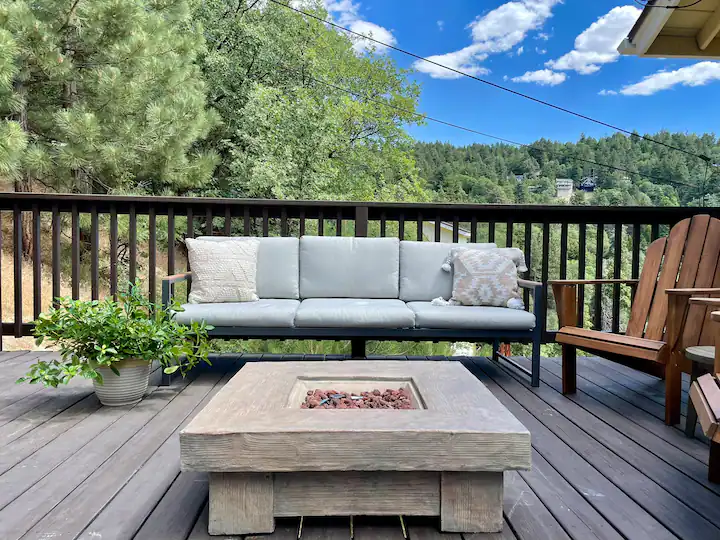
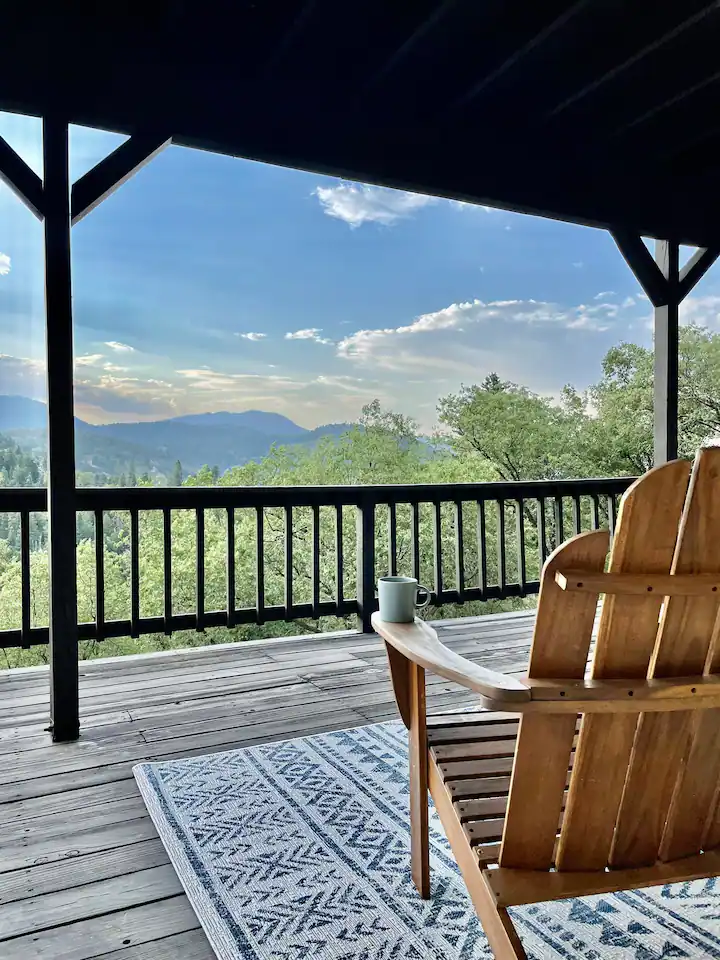
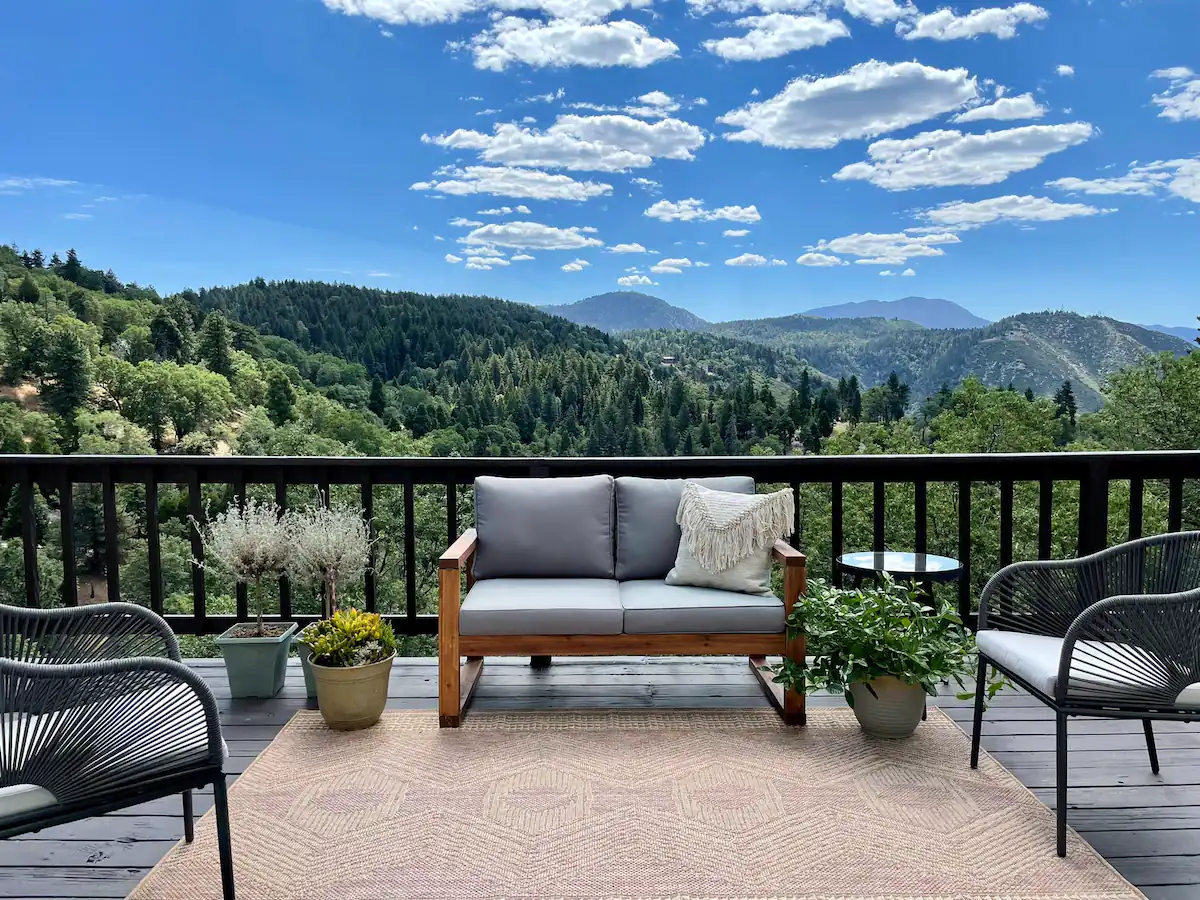
Cozy vacation cabin retreat, situated high overlooking majestic mountain ranges
with panoramic mountain views!
About
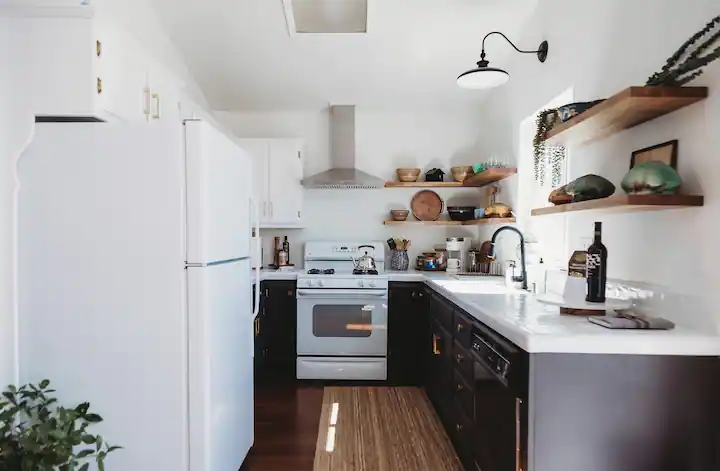
This welcoming 2-bedroom, 1.5 bathroom lodging offers a serene and stylish interior, a fully equipped kitchen, and 3 decks that call for time to be enjoyed outdoors.
Snow Valley Ski Resort & tubing parks just 15 mins away, great for alpine skiing & cross-country skiing.
SkyPark Village just 7 mins away for family-fun Winter entertainment!
Charming Skyforest for fabulous antiquing and local dining.
Only 15 mins from Lake Arrowhead, 20 mins from Lake Gregory, and 30 mins from Big Bear & its ski resorts!
Stay cool in the summer with our whole house air conditioning, and warm in the winter with central heating and a cozy gas fireplace.
Follow @wild_olive_den on Instagram for more photos and tours!
What This Place Offers
Scenic views
Mountain view
Valley view
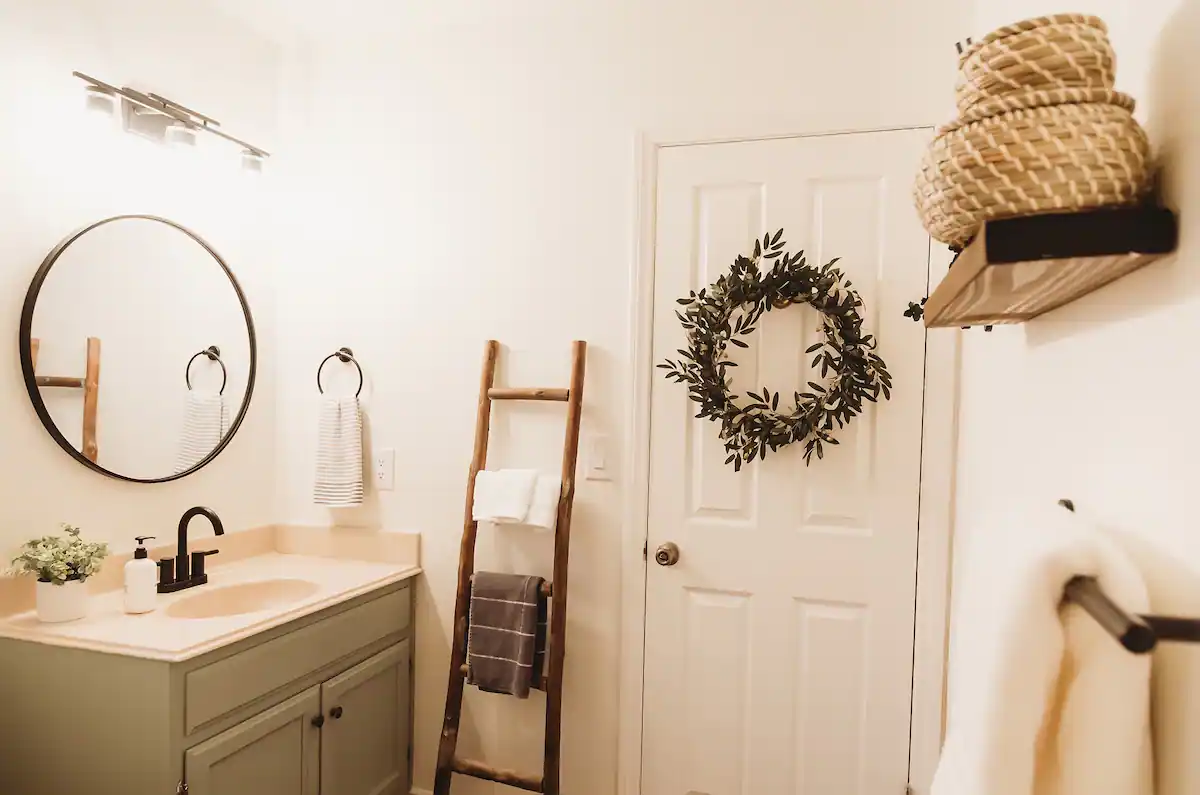
Bathroom
Bathtub
Hair dryer
Cleaning products
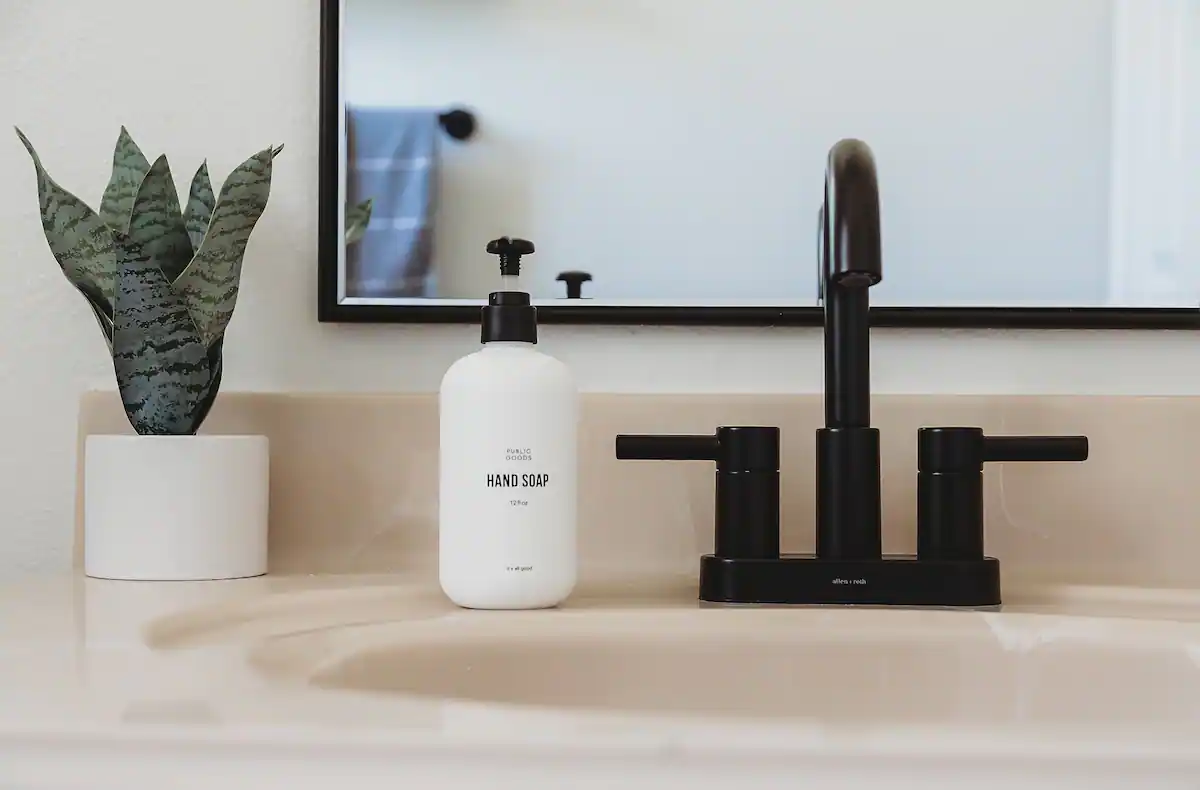
Public Goods shampoo
Public Goods conditioner
Hot water
Shower gel
Bedroom and laundry
Washer
Dryer
Essentials: Towels, bed sheets, soap, and toilet paper
Hangers
Bed linens: Cotton linens
Room-darkening shades
Clothing storage: closet
Entertainment
TV
Record player
Books and reading material
Family
Pack ’n play/Travel crib
Children’s books and toys for ages 0-2 years old and 2-5 years old
High chair
Children’s dinnerware
Board games
Baby safety gates
Heating and cooling
Air conditioning
Indoor fireplace
Portable fans
Heating
Home safety
Smoke alarm
Carbon monoxide alarm
Fire extinguisher
First aid kit
Internet and office
Fast Wifi – 200 Mbps
Dedicated workspace: A desk or table with a chair and space for a laptop.
Kitchen and dining
Kitchen: Space where guests can cook their own meals
Refrigerator
Microwave
Cooking basics: Pots and pans, oil, salt and pepper
Dishes and silverware: Bowls, chopsticks, plates, cups, etc.
Freezer
Dishwasher
Gas stove
Oven
Hot water kettle
Coffee maker: french press, Keurig coffee machine
Wine glasses
Toaster
Barbecue utensils: Grill, charcoal, bamboo skewers/iron skewers, etc.
Dining table
Location features
Private entrance: Separate street or building entrance
Outdoor
Private patio or balcony
Fire pit
Outdoor furniture
BBQ grill: gas
Parking and facilities
Free parking on premises
Private Hot Tub
Level 2 EV charger:
Electric vehicle charging station available for guests
Security
Security cameras on premises
Power backup
Full house power generator
Services
Self check-in
Keypad:
Check yourself into the home with a door code

Good to know
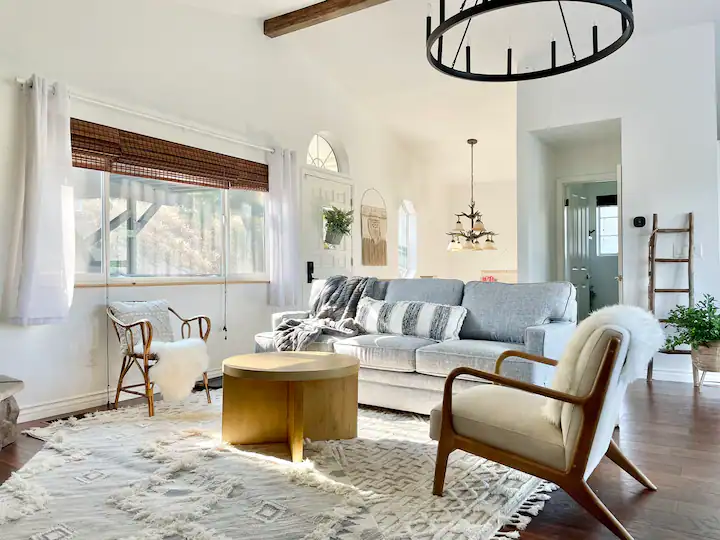
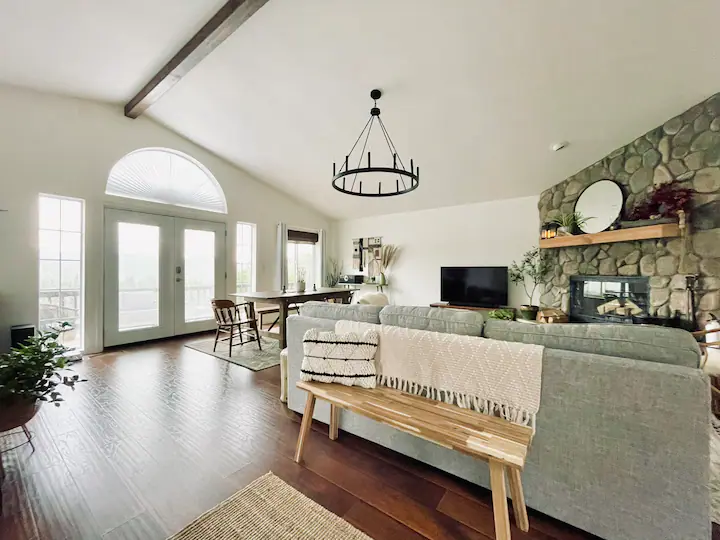
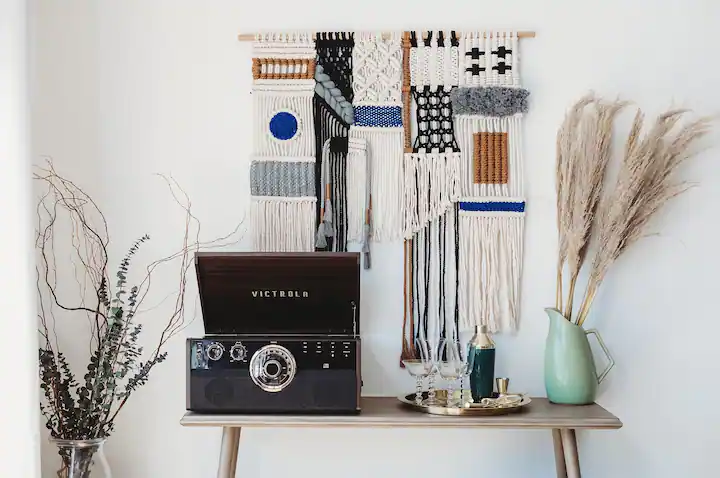
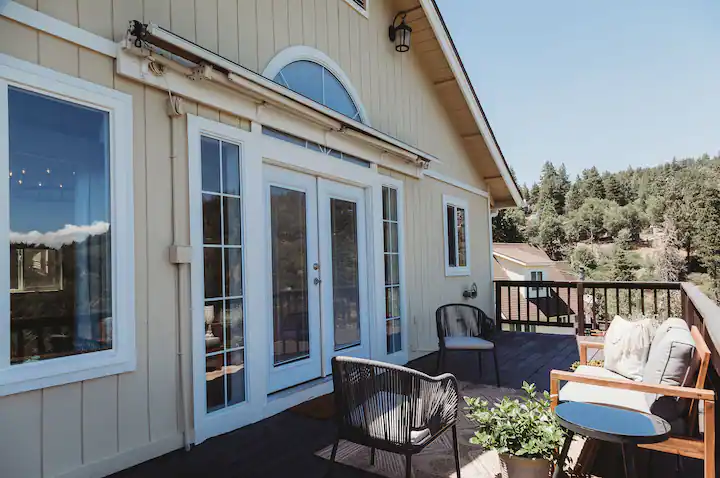
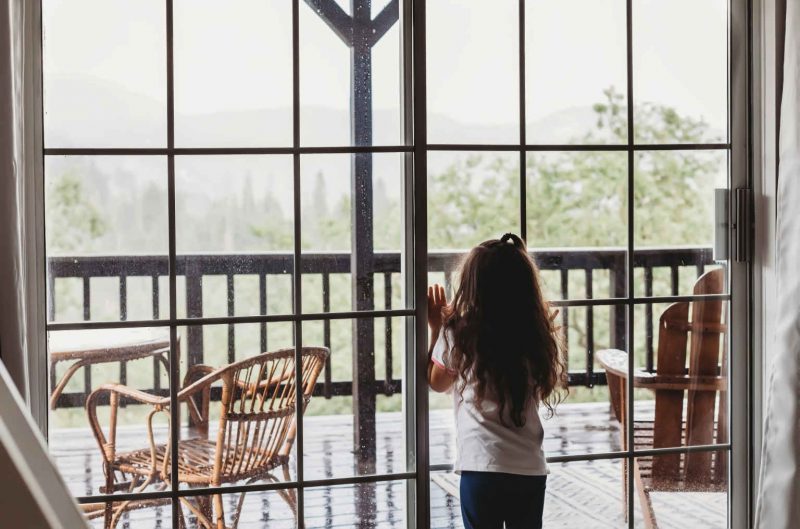
Our mountain home is situated high overlooking majestic mountain ranges. The moment you walk into the Olive Family Cabin, you’ll be greeted by a breathtaking view through french doors. The cabin is stylishly designed with a blend of prairie rustic and modern bohemian decor. Upon arriving, enjoy a cocktail as you listen to classic vinyl records on the Victrola record player.
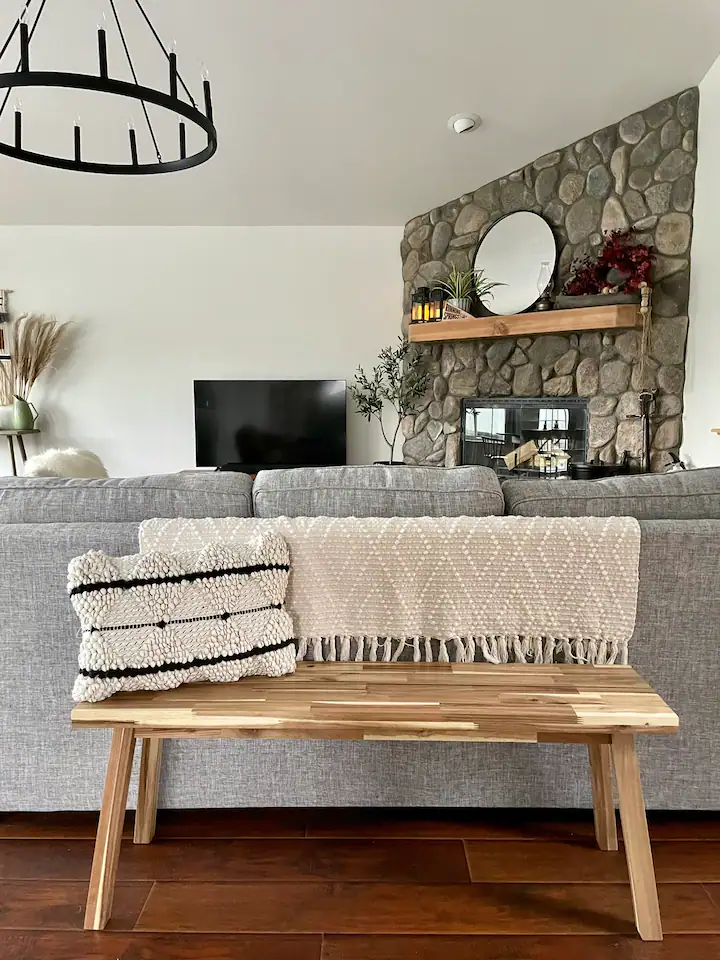
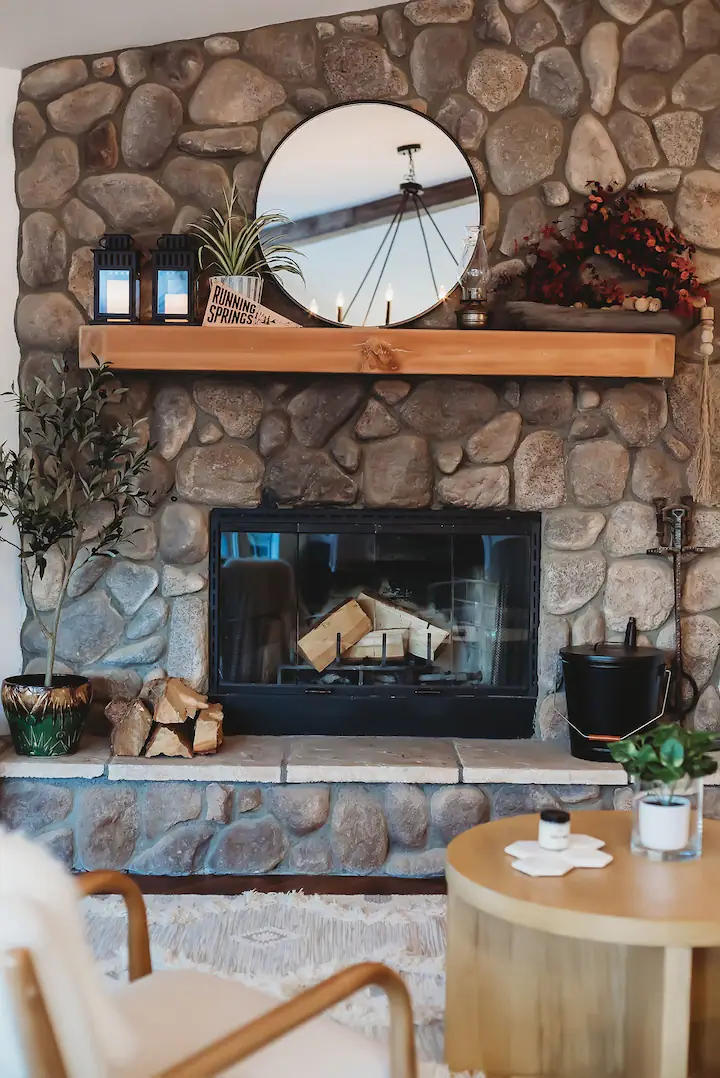
The spacious living room is outfitted with a smart TV, stone fireplace, board games, a queen sized pull-out sofa bed, Moroccan tribal rugs, and designer furnishings and finishes.
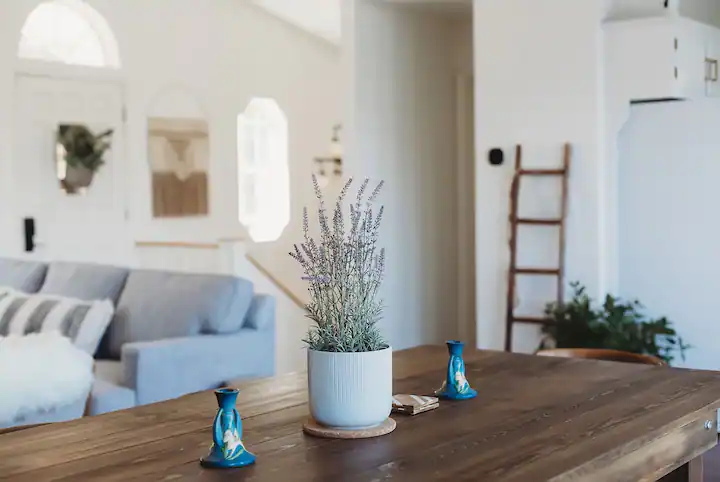
Make your favorite recipe in our fully equipt kitchen. Enjoy memorable family dinners together over our country-style dining table. Relax and sip on your morning coffee as you take in the incredible views from any of the three furnished decks.
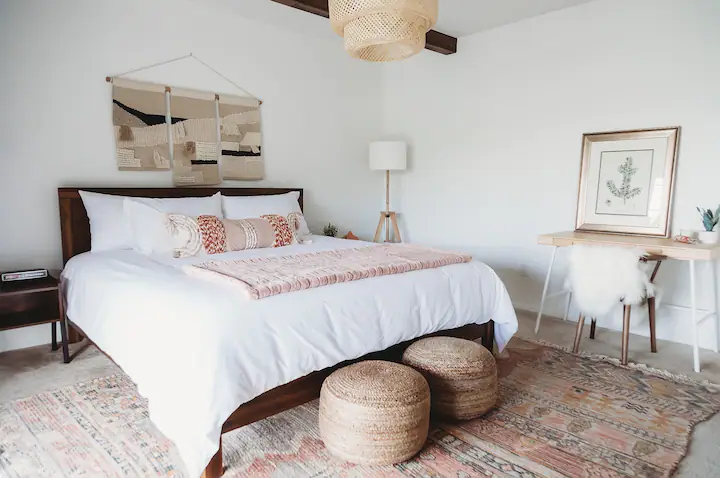
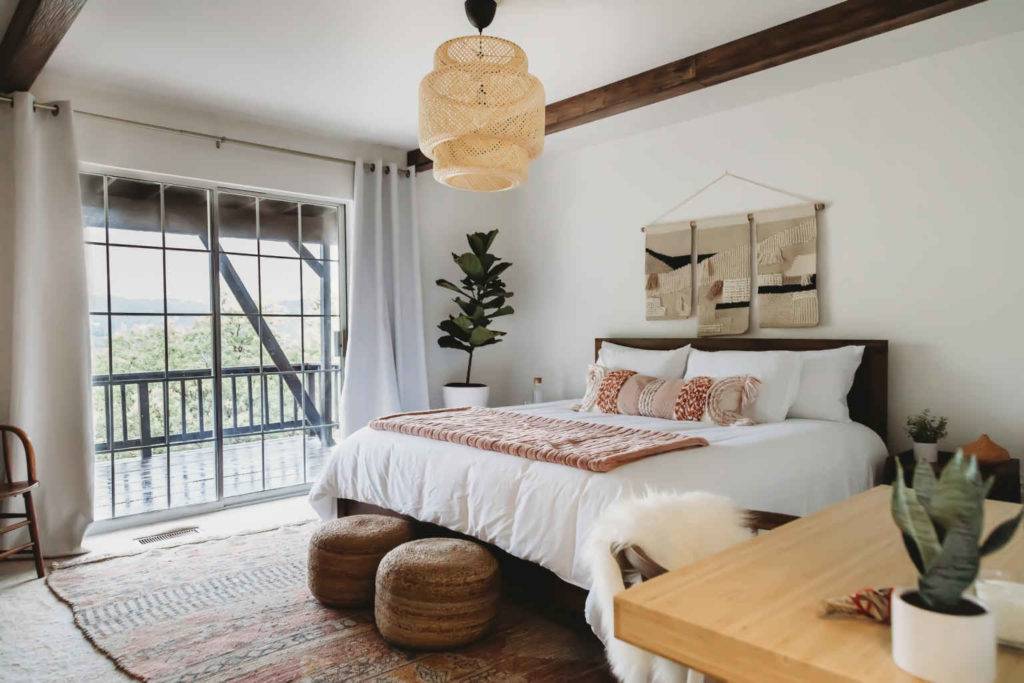
Downstairs you’ll find two cozy bedrooms. The Master bedroom includes a king-sized cooling memory foam bed with a hypoallergenic topper & pillows, a working/writing desk, and an essential oil diffuser and oils to help you relax and unwind from the hustle and bustle of city life.
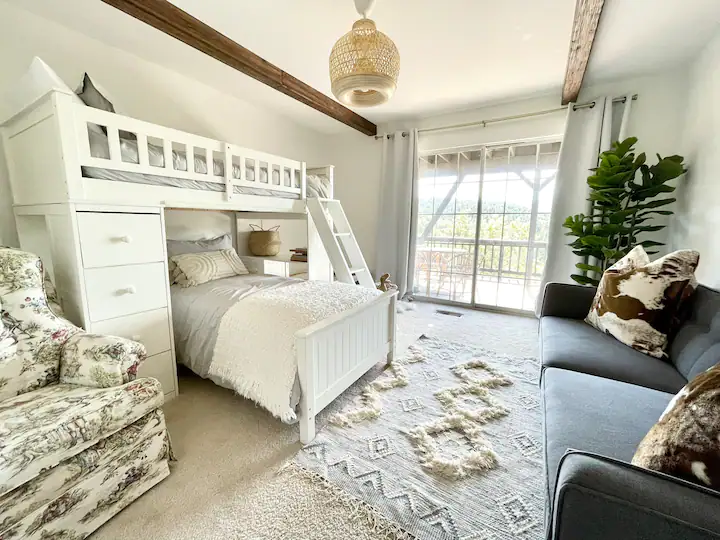
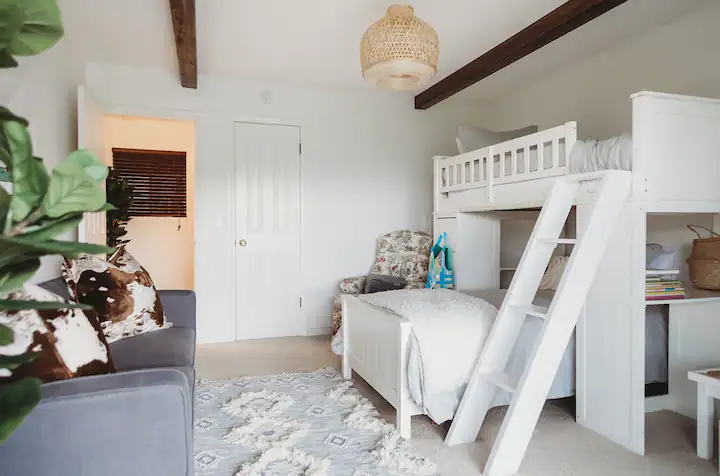
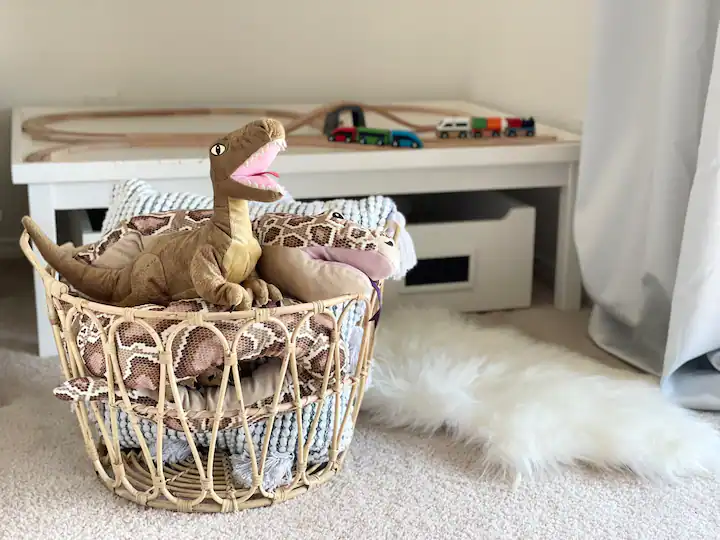
The second bedroom is equipped with a twin-sized bunk bed, a comfy sofa, a basket of toys, and crafts for the kiddos.
In the master closet, if needed, you’ll find a Pack & Play for your little one to rest close by. Our kid-friendly abode is also stocked with toddler plates, utensils, cups, a booster chair, and a safety gate for the stairs if desired.
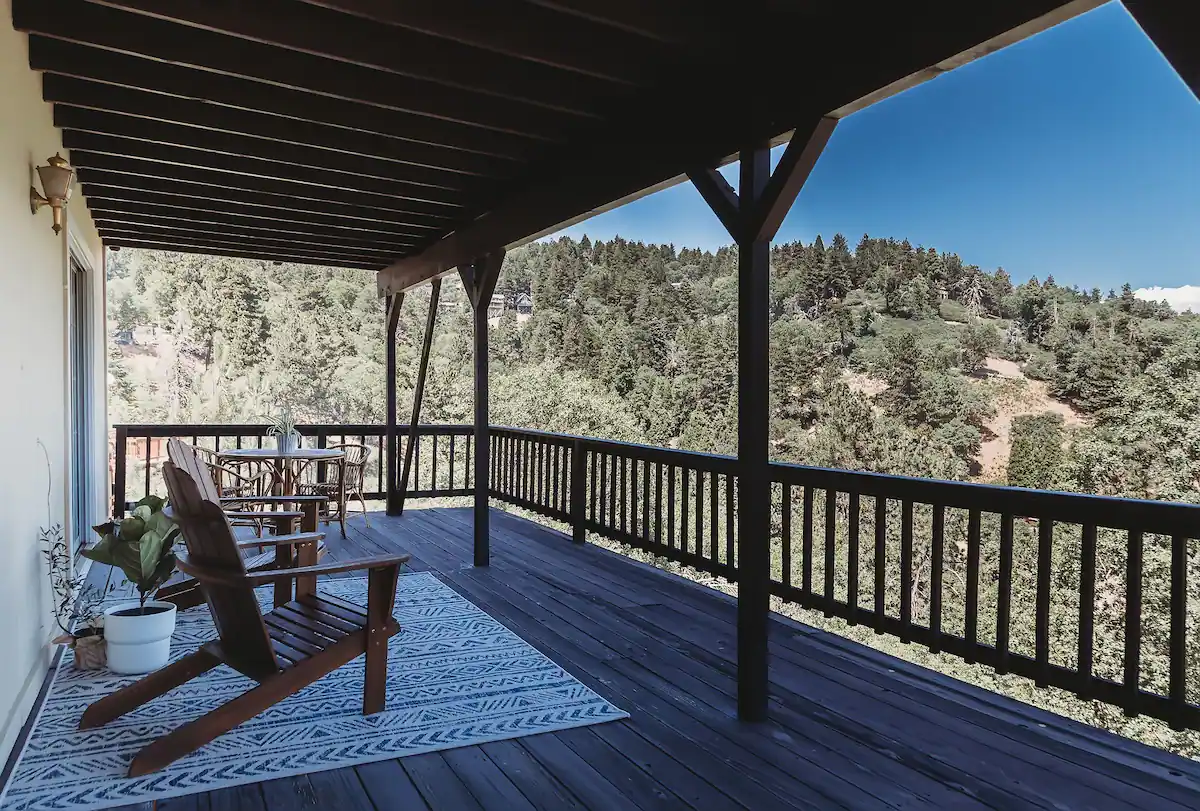
A breathtaking deck is right outside both bedrooms, perfect for a mountain morning stretch!
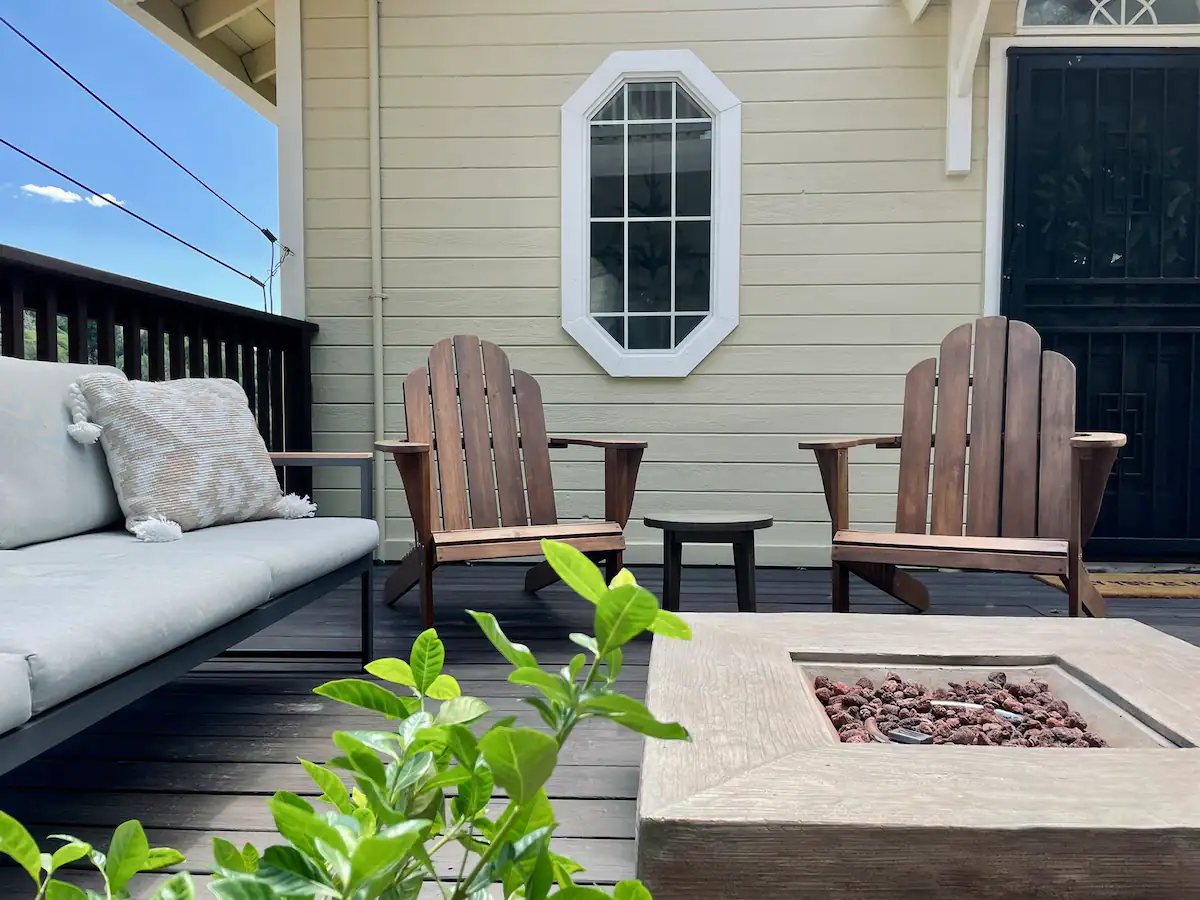
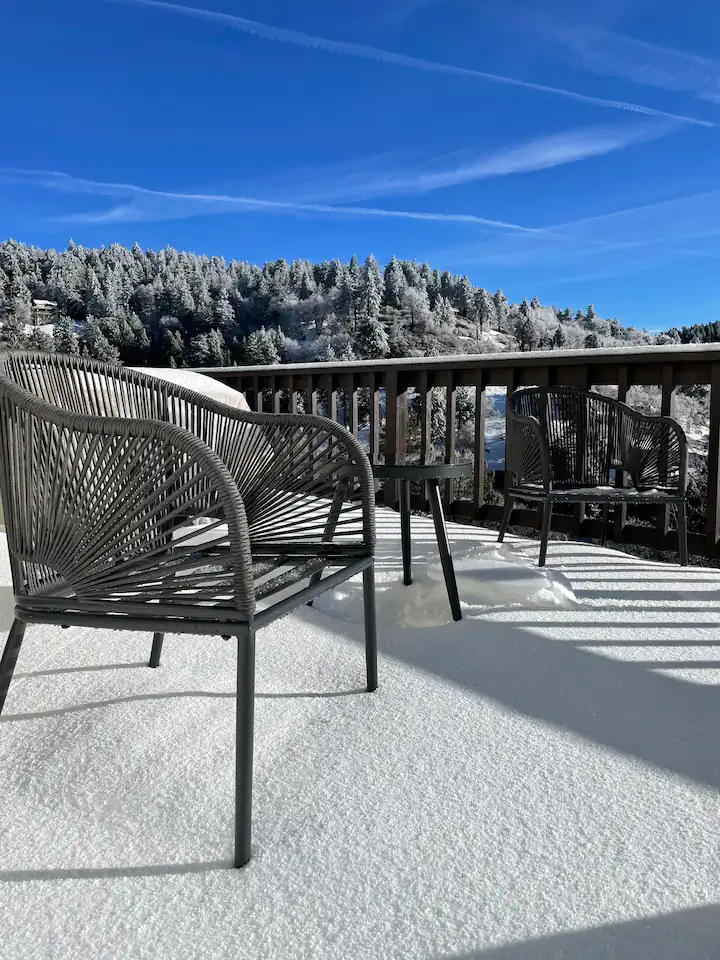
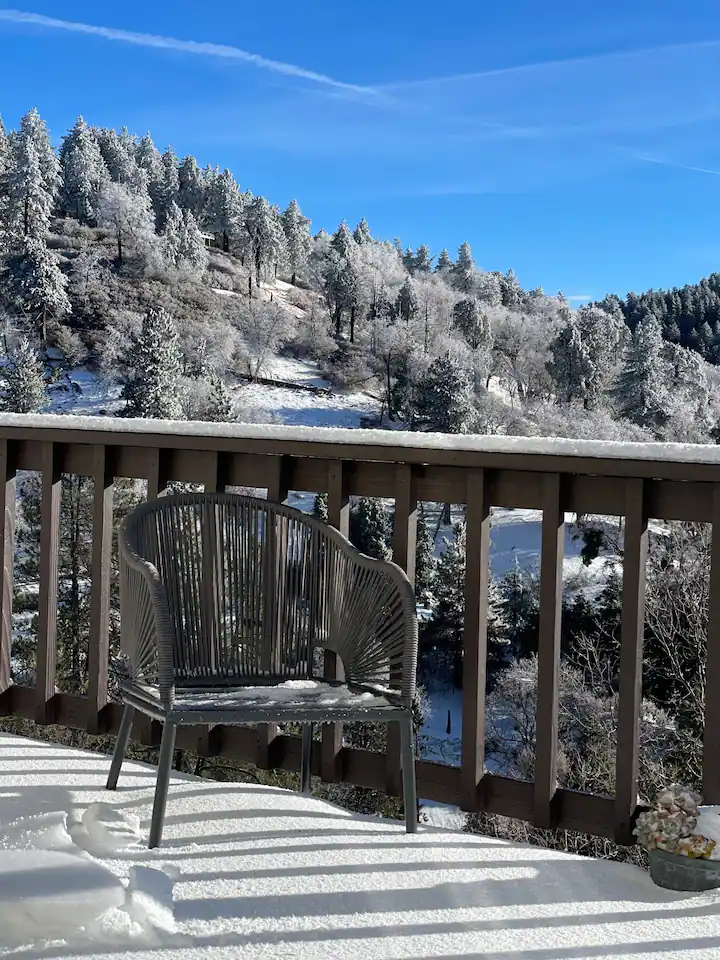
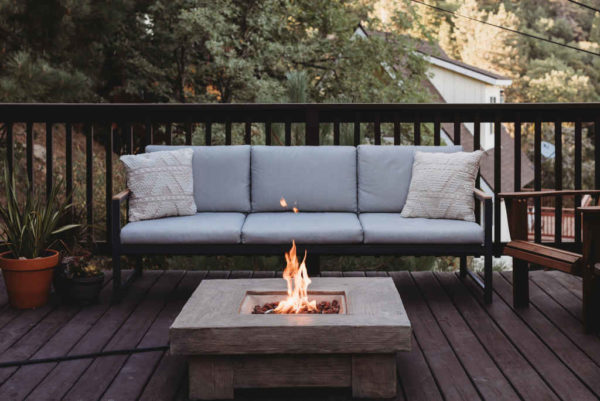
Outside, enjoy a glass of wine, warm up by the fire pit, grill on the barbeque, or just soak in the panoramic mountain views.
We offer complimentary Wifi throughout the property, so if staying in touch with the outside world is a necessity, we got you covered! We are also stocked with earth-friendly Public Goods shampoo, conditioner, and body lotion.
Guests have an option of purchasing meal offerings to be waiting at the cabin upon arrival! These include a menu of cheese charcuterie boards, chocolate fondue platters, and an afternoon tea box. Orders must be placed at least 1 week prior to arrival. Please contact me for the full menu and pricing!
Our Location
Running Springs is an inholding in the San Bernardino National Forest.
Our cozy cabin is located…
- 15 minutes from Lake Arrowhead
- 15 minutes from Snow Valley Mountain Resort
- 15 Minutes to Blue Jay
- 20 minutes from Green Valley Lake
- 30 minutes from Big Bear
- 22 minutes from Lake Gregory in Crestline
- 70 minutes from Palm Springs
- 90 minutes from Los Angeles
- 120 minutes from San Diego
Arrowbear Lake is part of the Running Springs municipality and is located between Lake Arrowhead and Big Bear.
Many visitors looking for a Lake Arrowhead cabin find our vacation home to be a perfect match.
Neighborhood
Running Springs is a quaint mountain town located between Lake Arrowhead and Big Bear.
In the Winter: Snow Valley Ski Resort only 15 minutes away. Family-fun tubing parks at several areas within 10-15 minutes from the cabin!
Skypark Santa’s Village for amazing Winter entertainment just 7 minutes away! Big Bear’s Bear Mountain and Snow Summit Ski Resorts are 30 minutes away. Check out their websites for ticket information.
In the Summer/Fall: Endless local trails within minutes, SkyPark Village just 7 minutes away for ziplining, mountain biking, restaurants, and entertainment!
A mere minutes away from Skyforest for fabulous antiquing and dining.
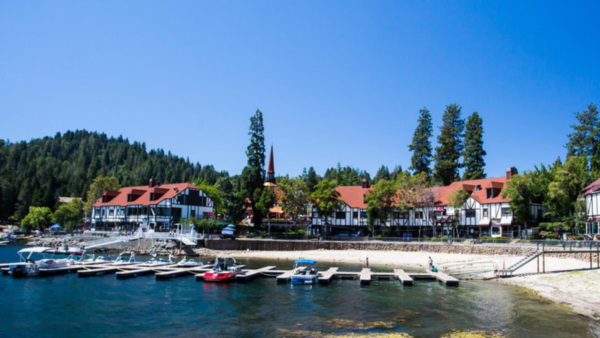
Only 15 minutes away from beautiful Lake Arrowhead & Lake Arrowhead Village.
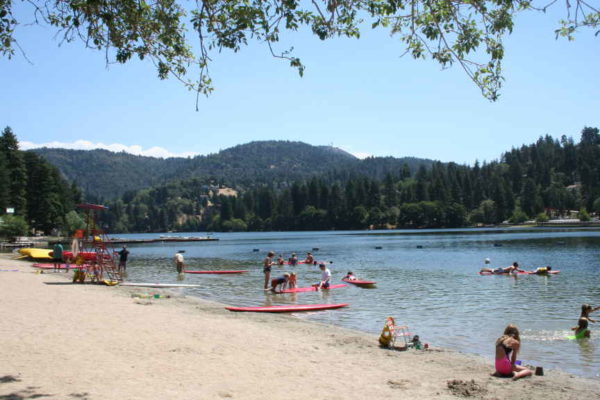
20 minutes from Lake Gregory for endless lake activities like swimming at the beach, kayaking, boating, fishing, and hiking.
30 minutes from Big Bear Lake for more kayaking, boating, or horseback riding!
Local grocery shopping at the Village Market (general store) 4 minutes away or Jensen’s Market 5 minutes away, and nearby local mountain coffee and delicious pastries at Lulu Belle’s only minutes away.
** No editorial or commercial film or photography allowed without prior arrangements being made with host. **
All guests must be at least 25 years old and have a valid government I.D.
Quiet hours 9PM – 9AM. No parties or additional guests. No loud music, or music outdoors is permitted. Only guests included in the booking are permitted to enter the property.
Only two vehicles are allowed and can be parked on the parking deck per stay. No street parking whatsoever. Cars parked on the street will be towed at the guest’s expense.
Kindly remove shoes inside the house.
No pets.
Our county permit allows a maximum of 5 guests. Only the amount of guests listed on the reservation are allowed at the cabin at all times. There are outdoor security cameras to monitor this. Any violation of this rule will result in the host keeping your deposit and for you to leave immediately. We take the county’s short-term rental rules seriously and will enforce them with a Sheriff.
Check-in after 4PM and check-out by 11AM, unless permitted by the host and will incur a fee. For information on this, please message the host.
Our neighbors are full-time residents and are wonderful people. Please be respectful and mindful of noise during your stay.
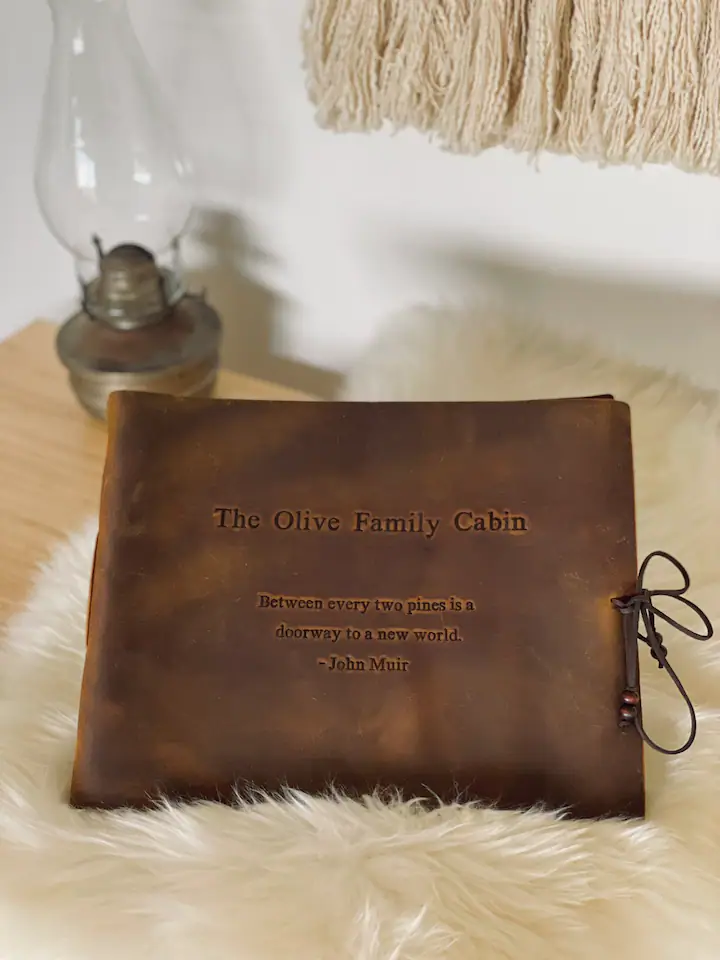
Art and Decor: Our cabin has been lovingly and thoughtfully curated with decor and details from our personal collection. Please enjoy, but do not re-arrange the furniture, art, or decor. If there is something you love, please let us know! We will happily share the vendor/artist contact information with you!
Illegal drugs and firearms are strictly prohibited. If guests are suspected of carrying and/or using illegal drugs or firearms of any kind, the authorities will be engaged, and guests will be asked to vacate immediately.
Road conditions do not warrant cancellations.
SLIP & FALL – This cabin is privately owned; hazardous conditions can occur, especially during the winter months. The owners or property managers are not responsible for any accidents, injuries, or illness that occur while on the premises.
The hosts/owners are not responsible for the loss of personal belongings or valuables of the guest. By accepting this reservation, it is agreed that all guests are assuming the risk of any unforeseen harm arising from their use of the premises.
A damage/reservation deposit may be collected. The guest’s deposit will be returned based on the following:
a. No damage is done to the cabin or its contents, beyond normal wear and tear.
b. All items on the property including furnishings, decorations, and accessories belonging to the cabin are not lost or damaged. An inventory check is conducted after every check-out.
c. Dishes, pots, and pans must be cleaned and properly put away.
d. No linens are lost or damaged.
e. No early check-in or late check-out without prior approval.
f. All our House Rules and Airbnb policies are followed.
Searching For Mountain Getaways Near Los Angeles?
When looking for family friendly vacation rentals and cabins near Los Angeles, the San Bernardino mountains are a favorite spot – the home of Lake Arrowhead, Big Bear, and Running Springs. Come visit the Wild Olive Den to get a taste of everything the mountains have to offer – without driving too far away from the city. The Wild Olive Den is the perfect Los Angeles weekend getaway for your family vacations!
Create priceless memories in our mountain family getaway cabin!
Enjoy Cabins Near Los Angeles?
COME VISIT THE WILD OLIVE DEN!
A Luxury Rental Cabin & Romantic Getaway Cabin
Southern California is a great place to go for a luxury cabin rental. There are many different areas to choose from, each with its own unique scenery and outdoor activities. One of the most popular destinations is the mountain region near Los Angeles. There are plenty of rental houses available in this area, most of which are located near Lake Arrowhead or Big Bear.
These mountain areas offer plenty of outdoor activities for visitors to enjoy, including hiking, camping, fishing, and skiing. In addition, the scenery is beautiful year-round, with snow-capped peaks in winter and rolling hillsides covered in green trees and wildflowers during summer.
Southern California cabins and house rentals are the perfect getaway for those who want to enjoy nature without having to sacrifice the conveniences of being close to home. Many cabins are located near state and national parks, providing easy access to hiking and biking trails, as well as fishing and swimming holes. Additionally, many cabin rentals come with all of the amenities of home, including full kitchens, living rooms, and bathrooms. This makes them a great option for families or groups looking for a weekend away in the great outdoors.
Enjoy your trip